What To Bring
A successful salmon fishing trip to the Gaula is about much more than choosing the right fly. Having the right equipment and clothing can make a significant difference to both your fishing experience and your comfort throughout the day.
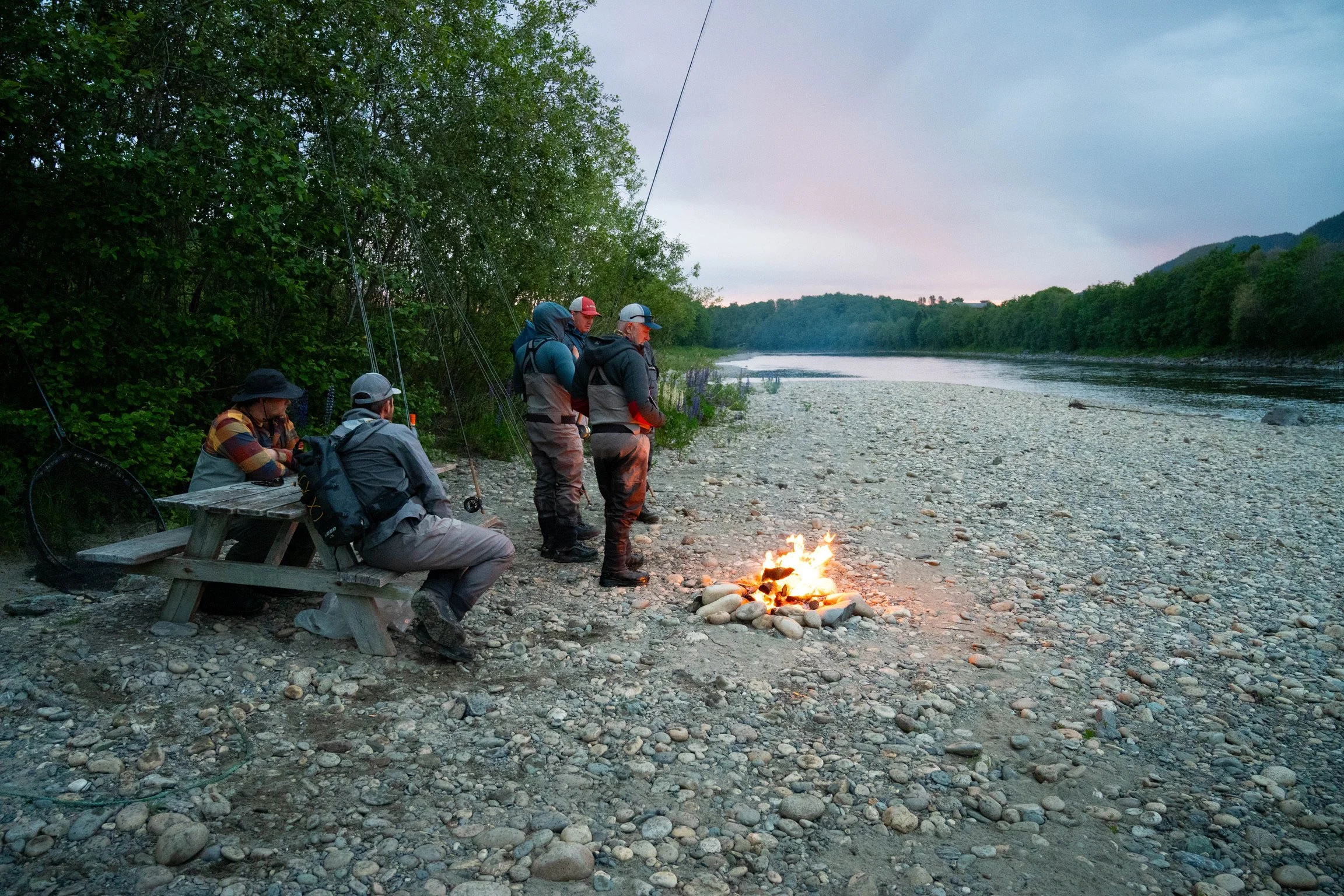
The weather and river conditions in Trøndelag can change quickly, and you may experience everything from warm summer days and bright sunshine to heavy rain, cold temperatures and high water. Good clothing is therefore essential. Reliable waders, waterproof outerwear, warm layers, gloves and a good cap or hat will help you stay comfortable and focused, even when conditions become challenging.
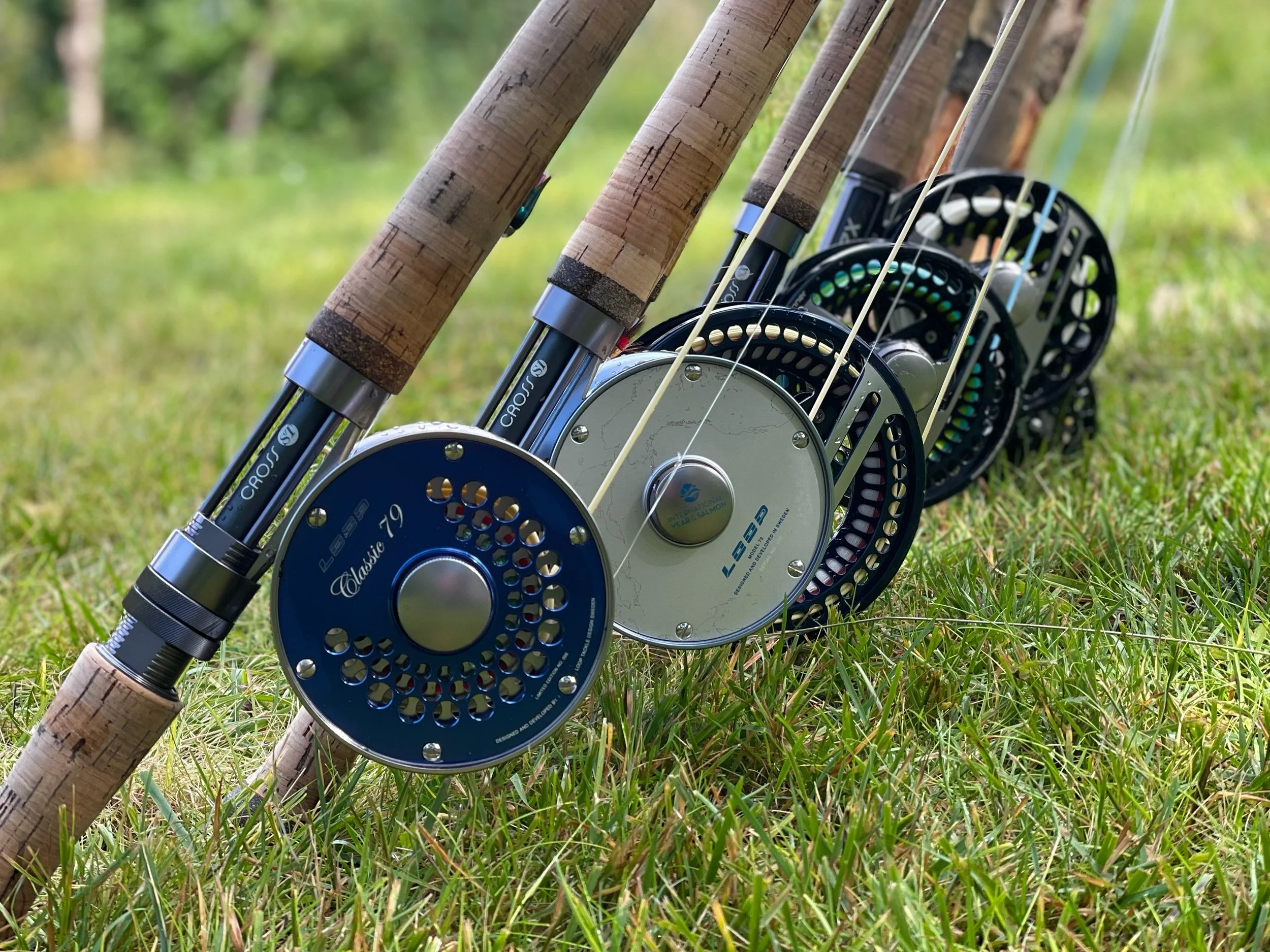
Your fishing equipment should be just as carefully selected. A well-balanced two-handed rod, the right shooting head or line, appropriate tips, strong leaders and suitable tippet will allow you to adapt to different water levels, pools and fishing conditions. On a river like the Gaula, where conditions can vary considerably, having several options with you gives you the flexibility to change your approach when needed.
Being properly prepared means spending more time focusing on the river, the pools and the salmon rather than worrying about cold feet, wet clothing or unsuitable tackle. The right gear does not guarantee a salmon, but it gives you the best possible conditions to make the most of every opportunity.
At Gaula, preparation is part of the experience. Knowing that your equipment and clothing are ready for whatever the river and Norwegian weather may bring allows you to concentrate on what you came for – the pursuit of Atlantic Salmon on one of Norway's great salmon rivers.
We recommend our trusted partner Fiskeshopen as your fly fishing dealer
The Flies
Early Season & High Water
For high and powerful June conditions, carry larger and heavily weighted patterns capable of getting down to the fish.
Recommended styles include:
Green Highlander variations
Flom-style patterns
Phatakhorva-style flies
Templedog patterns
Sunrey Shadow
Monkey Flies
Flash Flies
Snelda´s
Francis Flies
Black & Silver tube flies
Large tube flies
Large double- and treble-hook patterns
Large flies are particularly useful when the river is carrying a lot of water and the salmon are holding deep.
Summer & Backend Flies
As the river drops and becomes clearer, move towards smaller and more mobile patterns.
Useful patterns include:
Green Highlander – various versions
Sunray Shadow
Silver & Grey
Cascade
Green Butt
Smaller tube flies
Smaller double-hook flies
Dry flies
Bomber patterns
Hitch flies
Small surface patterns
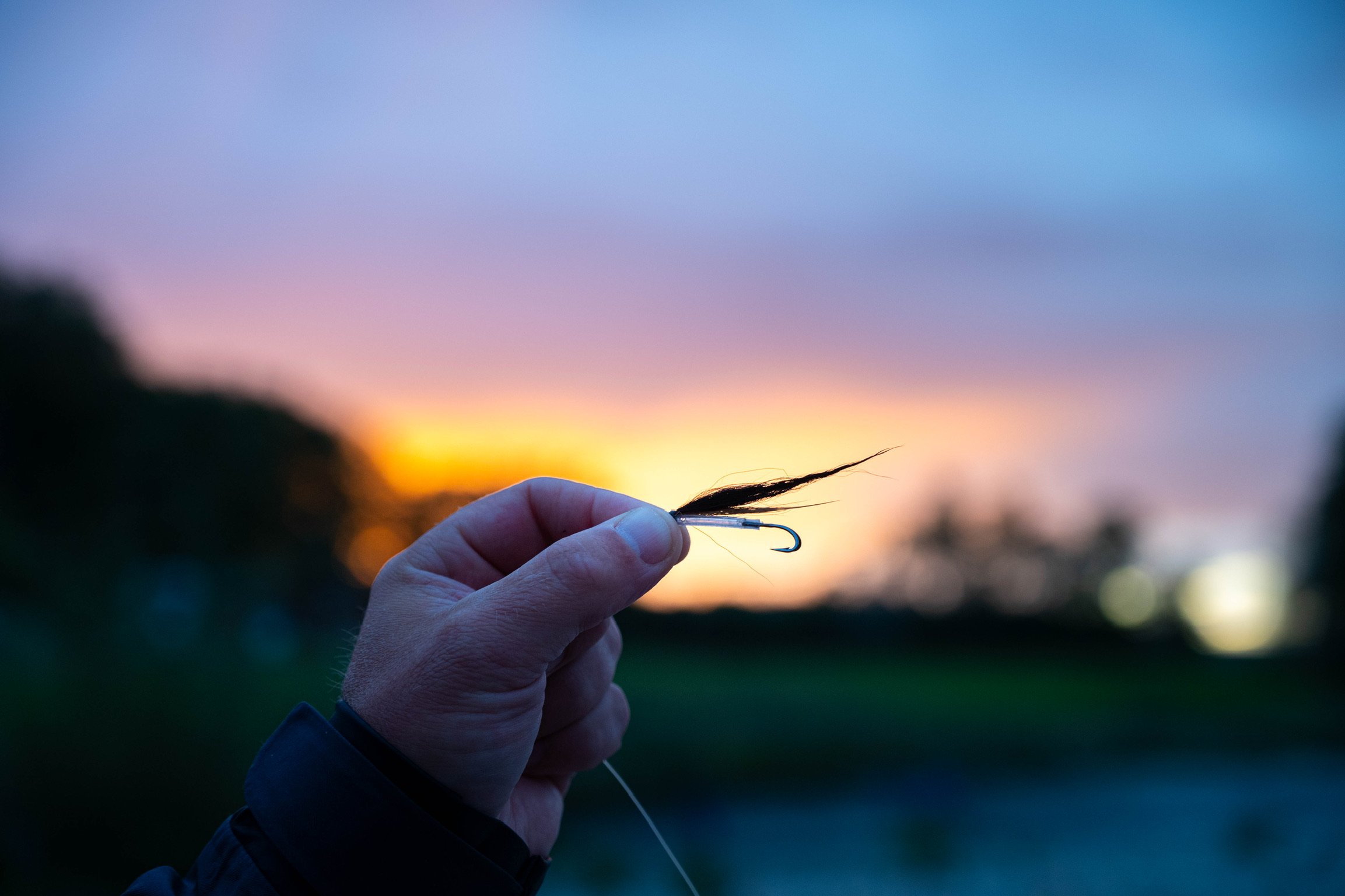
During bright daylight, smaller and brighter patterns can be effective. As darkness approaches, larger silhouettes and darker colours are often worth trying.
The Rods, Reels & Lines
June – High Water & Big Salmon
Early June is a time for powerful water and some of the largest salmon of the season. The river can still be running high due to a combination of spring rainfall and melting snow from the surrounding mountains. Water levels may also rise during the evening as the daily snowmelt reaches the river.
During these conditions, the number of fish may be lower than later in the season, but the potential for very large salmon makes June an exciting period to fish.
Heavy two-handed rods around 14–16 feet in the #9–11 range are well suited to these conditions. Full sinking lines or powerful sinking systems can be an advantage when the river is deep and fast.
Because the water is often high and the salmon are not yet accustomed to fishing pressure, there is generally little need for long, delicate leaders. Short and strong leaders in the 30 lb+ range provide the strength needed when fishing heavy flies in powerful water.
Make sure your reel has plenty of backing. A large early-season salmon can cover a surprising amount of river very quickly.
July – The River Settles
By July, the river normally begins to move towards more typical summer conditions. Water levels gradually fall, visibility improves and salmon of many different sizes can be found throughout the river.
This is the time to reduce the tackle slightly. Rods around 12–14 feet are suitable for much of the fishing, while intermediate, floating and float/sink systems become increasingly useful as the water drops.
Leaders can also be made longer and more tapered. As the river becomes clearer and the salmon settle into individual pools, presentation becomes increasingly important.
Fly size can be reduced as well. Smaller tubes, doubles and, when conditions allow, surface patterns can all be effective.
Bright summer days can favour smaller and brighter patterns, while larger and darker flies often become more attractive as light levels fall in the evening.
August – Low Water & Resident Salmon
August can bring some of the most varied fishing conditions of the season. Water levels may change quickly following rain, but prolonged periods of low water are also common.
When the river is low and clear, resident salmon often hold in specific areas of the pools. Fresh fish entering the river following rain may behave differently, while established fish can become considerably more difficult to tempt.
Pay particular attention to the upper section of each pool, where fresh, oxygen-rich water enters. Later in the evening, salmon may move towards the tail of the pool.
It is important to fish the entire pool thoroughly rather than concentrating only on the most obvious lies. Early morning and evening sessions can produce opportunities that are easily missed during the middle of the day.
A wide range of tackle can be effective at this time of year. Smaller two-handed rods around 12–14 feet, switch rods around 10–12 feet and powerful single-handed rods around 9–10 feet can all have their place.
Floating lines, floating lines with interchangeable tips and other light presentation systems are particularly useful.
When fish are not responding immediately, change your approach rather than simply repeating the same cast. Start with a small fly and a relatively shallow presentation, then gradually work deeper with different fly sizes and profiles.
Surface fishing can also be extremely exciting in low summer water. Dry flies, bombers and hitch-style presentations can sometimes bring aggressive salmon to the surface, even when other methods have failed.
If a fish reacts without taking, give it a short rest before trying again. Changing fly size, colour or presentation can be enough to turn a follow or splash into a solid take.
Leaders & Tippet
For salmon fishing, tapered leaders between 9 and 15 ft are generally recommended, with a leader strength of approximately 20–35 lb. A tippet diameter of 0.30–0.45 mm, with a breaking strength of approximately 15–40 lb, is suitable for most situations.
Leader strength should always be adjusted according to the size of the flies, the water conditions and the size of the salmon being targeted.
Accessories & Clothing
Accessories
The right accessories can make a long day on the river considerably more comfortable and enjoyable. A waterproof backpack is highly recommended for keeping spare clothing, flies, leaders, snacks and other essential equipment dry and easily accessible while moving between pools.
Polarized sunglasses are an important part of your fishing equipment. They reduce glare from the surface and make it easier to read the water, spot fish and see submerged structure. They also provide valuable protection for your eyes when casting large salmon flies.
In summer, particularly during the evenings, mosquitoes and other insects can be a nuisance. A good mosquito repellent is therefore worth carrying, especially when fishing slower pools or standing close to the riverbank. Sun protection is equally important during long days outdoors. Even on cooler or cloudy days, you can spend many hours exposed to the sun, so sunscreen and suitable headwear should be part of your normal river kit.
A wading stick is another useful piece of equipment, particularly when crossing deeper or faster sections of the river. It provides additional stability on uneven and slippery riverbeds and can give you greater confidence when wading into position.
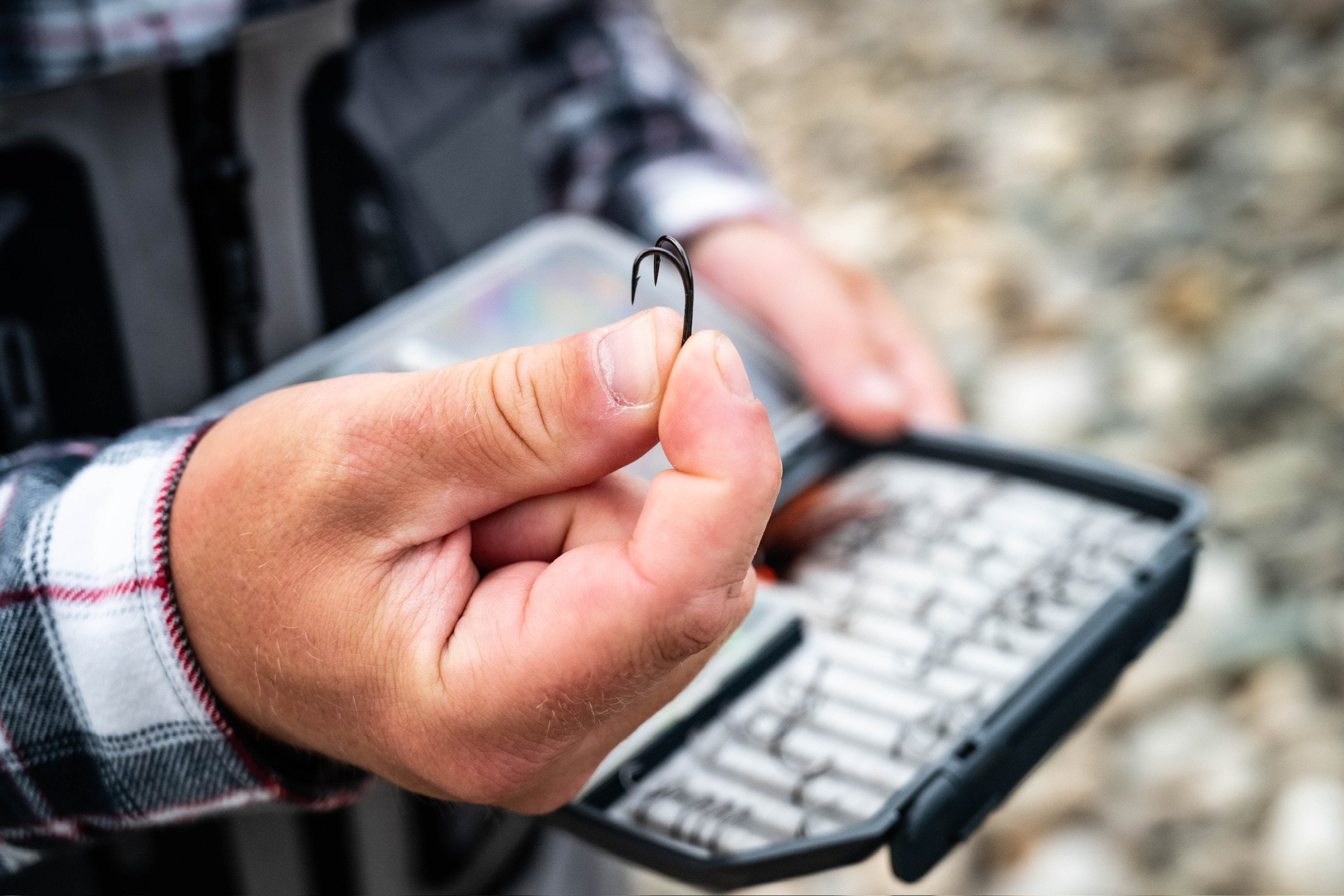
A good pair of pliers should always be within reach. They are useful for changing hooks and leaders, working with knots and dealing with flies, while also providing an important tool should you need to safely remove a hook.
Clothing
Conditions on a salmon river can change quickly, even during the summer months. Good clothing is therefore not simply about staying warm and dry; it allows you to concentrate on fishing throughout the day without being distracted by changing weather.
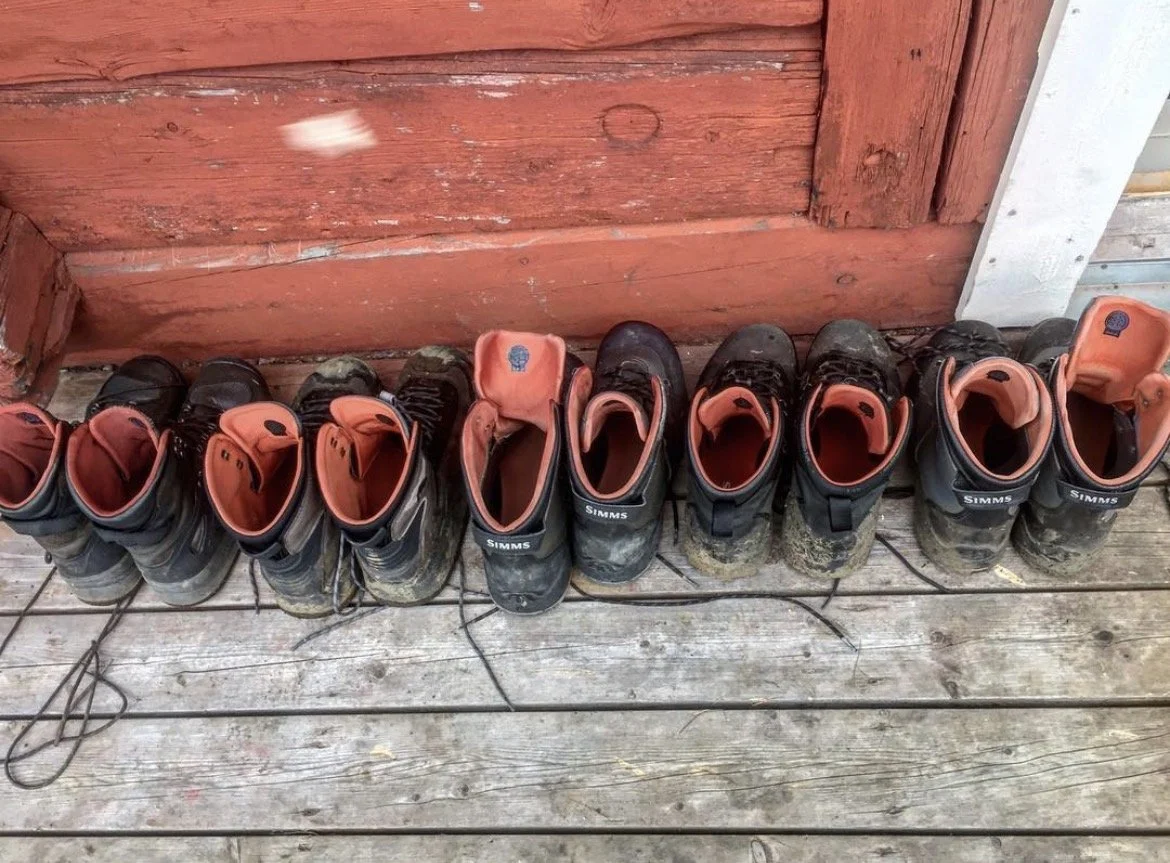
A reliable pair of breathable waders is essential for most salmon fishing situations. They provide protection from cold water and wet conditions while allowing you to move comfortably between pools and find the right position to fish. Wading boots with a secure grip are equally important, as riverbeds can be extremely slippery and uneven.
A waterproof and breathable wading jacket is an essential outer layer. It should provide reliable protection against rain and wind while allowing moisture from your body to escape during periods of active fishing and wading.
Underneath your waders and jacket, several layers of wool or other insulating materials are preferable to one heavy layer. Layering allows you to adapt easily to changing temperatures during the day. Wool is particularly well suited to river fishing because it retains much of its insulating ability even when damp.
A cap or beanie is useful throughout the season. A cap provides shade and protection from the sun, while a warm beanie can make a significant difference during cold mornings and late evenings.
Finally, a Buff or similar neck and face covering is a versatile addition to your clothing. It can protect against sun, wind and insects and can easily be adjusted as conditions change. Gloves are also worth having in your backpack, especially early and late in the season or when fishing long evenings in cold weather.
The key is to be prepared for changing conditions. A comfortable and well-organized clothing system means you can spend more time concentrating on the river, the fly and the salmon rather than worrying about the weather.